What to Pack for a Deer Hunt: A Complete Day-Hunt Checklist
What to carry for a western deer day hunt, how to prepare for a meat pack-out, and what can stay at the truck.
By Dexton Gerber · October 31, 2026
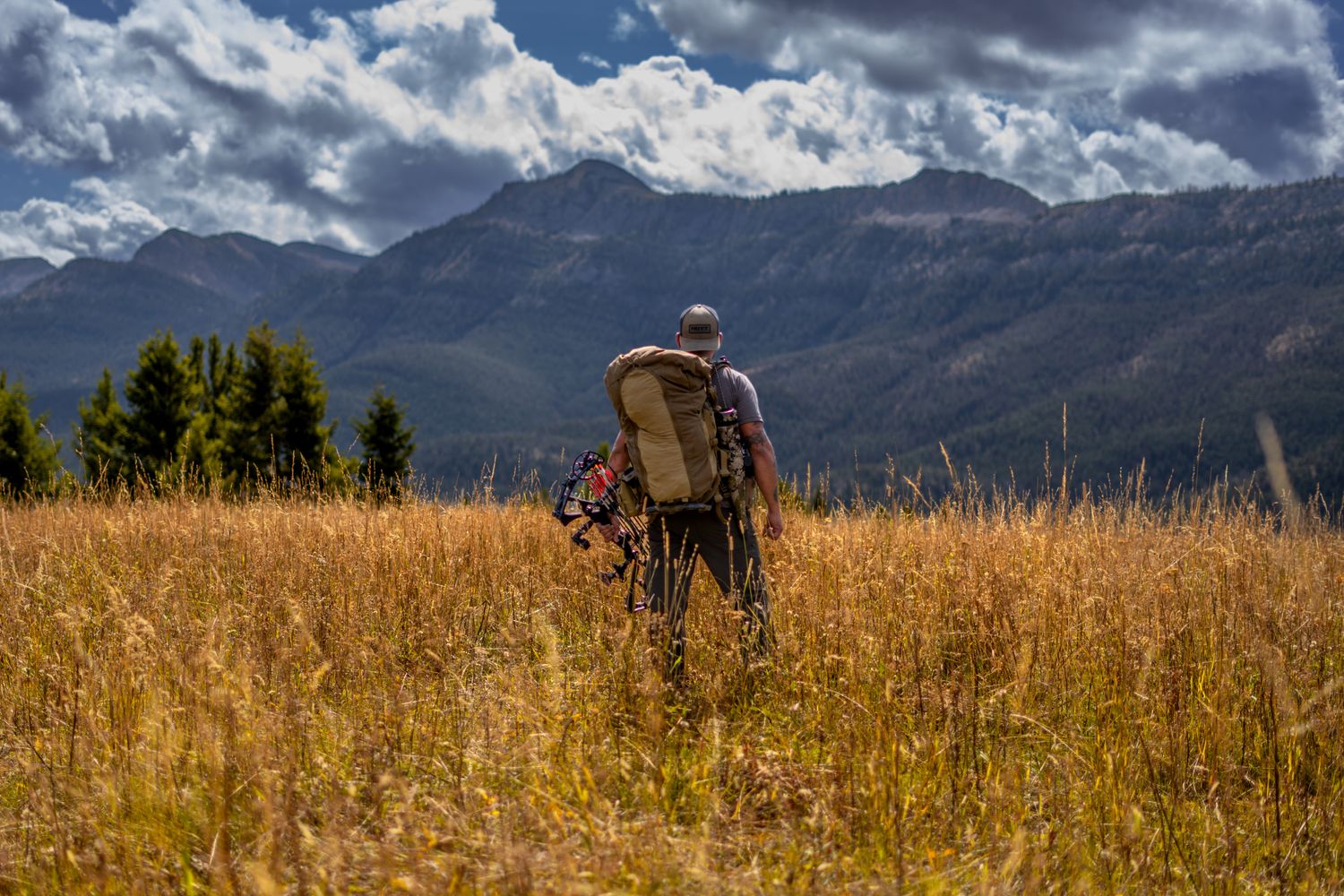
A deer hunt can start as a short walk from the truck and turn into a full day on the mountain. Add a downed deer, changing weather, or a longer route back, and what you packed that morning starts to matter.
This checklist is for a day hunt on foot. Overnight trips, severe weather, and specialized hunts require additional equipment.
Start with a pack that can handle the return trip
Your pack needs to carry more than lunch and a jacket. If you expect to haul meat, look for a supportive hip belt, secure compression straps, and a way to carry a load within the pack’s rated capacity. Walk a hill with a realistic load before hunting. A pack that feels fine empty can ride very differently on the descent. Compare options in our hunting pack guide.
As an Amazon Associate I earn from qualifying purchases.
1. Hunting gear and documents
- Hunting license, correct deer tag, and any required permits
- Rifle or bow with appropriate ammunition or arrows; a secure sling or carrying system
- Binoculars, rangefinder, and lens cloth
Keep documents dry and accessible. Check current season dates, access, tagging rules, and clothing requirements for your area. Keep binoculars where you can reach them; save the spotting scope for terrain where you can actually use the extra magnification.
2. Navigation, communication, and light
- Phone with maps downloaded for your intended route and alternate ways back
- Paper map and compass you know how to use
- Headlamp, spare batteries or charging supplies, and a small backup light
- Charged power bank and the right cable
Open the map with your phone in airplane mode before leaving home. For a remote hunt, consider a satellite communicator and test it before the trip. Tell someone where you’re going, when you’ll check in, and what to do if they don’t hear from you.
One headlamp to compare: the COAST XPH30R Rechargeable Headlamp. Keep it in the same outside pocket every trip so you can find it in the dark.
3. Water, food, and something extra
- Drinking water for the route, weather, and a possible loaded hike out
- A filter or treatment method if you have a dependable refill point
- Lunch, snacks you can reach while walking, and extra food for a delay
Check water sources before counting on a refill. A filter is dead weight on a dry ridge. If your route crosses reliable water, one option is the Sawyer Squeeze SP129. In freezing weather, follow the manufacturer’s instructions for protecting a wet filter. Sandwiches, nuts, bars, and jerky make for an easy lunch with something left for the pack-out.
4. Layers for hiking and sitting still
- Insulated jacket for glassing
- Wind and rain shell; rain pants when conditions warrant
- Warm hat and gloves
- Spare dry socks and a dry base-layer shirt
- Sunglasses, sunscreen, and lip protection
You can sweat through a shirt climbing a ridge and feel cold minutes after sitting down to glass. Seal the spare shirt and socks in a waterproof bag. Leave room for the jacket you’re wearing at the trailhead; odds are it’ll spend part of the climb in your pack.
5. A compact emergency kit
- First-aid supplies, blister care, and personal medications
- Emergency bivy or other emergency shelter
- Lighter, backup ignition, and dry fire starter
- Whistle, small multitool, repair tape, and cord
Choose supplies you know how to use. Keep your first-aid kit where you or your hunting partner can reach it. A compact option is the S.O.L. 90% Reflective Lightweight Emergency Bivvy. It serves as backup shelter for an unexpected delay; take proper sleeping equipment when an overnight stay is planned. Don’t count on a fire as your only way to stay warm.
6. Field dressing and meat care
- Sharp hunting knife, plus spare blades or a small sharpener
- Nitrile gloves
- Breathable game bags sized for your pack-out plan
- Lightweight clean sheet to keep meat off dirt
- Tag attachment supplies and straps suitable for securing the load
Bring these into the field. If you plan to haul bone-in quarters, check that the bags are sized for them.
Keep meat clean and cool it promptly. Avoid piling warm meat together or sealing it in plastic for extended periods. Check your hunting area’s rules on tagging, evidence of sex, carcass transport, and reporting before processing the deer.
7. Extras worth considering
- Spotting scope and tripod for long-distance glassing in open country
- Compatible phone-to-optic adapter if you plan to record
- Trekking poles for steep ground or a loaded hike out
- Small sitting pad and hand warmers for cold glassing sessions
- Toilet paper, waste bags, and a small trowel where appropriate
Let the terrain make the decision. The tripod that earns its weight across an open canyon may spend all day strapped to the pack in thick timber.
What can stay at the truck?
- Cooler with ice or frozen jugs
- Extra food and water
- Full change of clothes and spare boots
- Additional recovery equipment and charging supplies
Keep your emergency layers, navigation, light, and basic meat-care kit with you. A cooler can wait at the truck; the knife and game bags belong where you’ll need them.
How to organize your pack
Keep dense items close to your back and cinch loose loads so they don’t shift. Put water, snacks, gloves, and your headlamp where you can reach them without unloading the bag. Keep the field-dressing kit away from food and dry clothes.
Final check before walking away from the truck
- Can I navigate home if my phone quits?
- Can I travel after dark and stay sheltered during a delay?
- Do I have enough food and water left for a loaded hike out?
- Can I tag, cool, and carry the meat?
- Does someone know my route and check-in time?
Further reading: Idaho Fish and Game’s hunting pack advice and the National Park Service’s Ten Essentials.