General gear / Cold mornings
How to keep coffee hot on cold outdoor mornings
A better bottle, a quick preheat, and a simple packing routine for coffee at the blind, the bank, or the boat ramp.
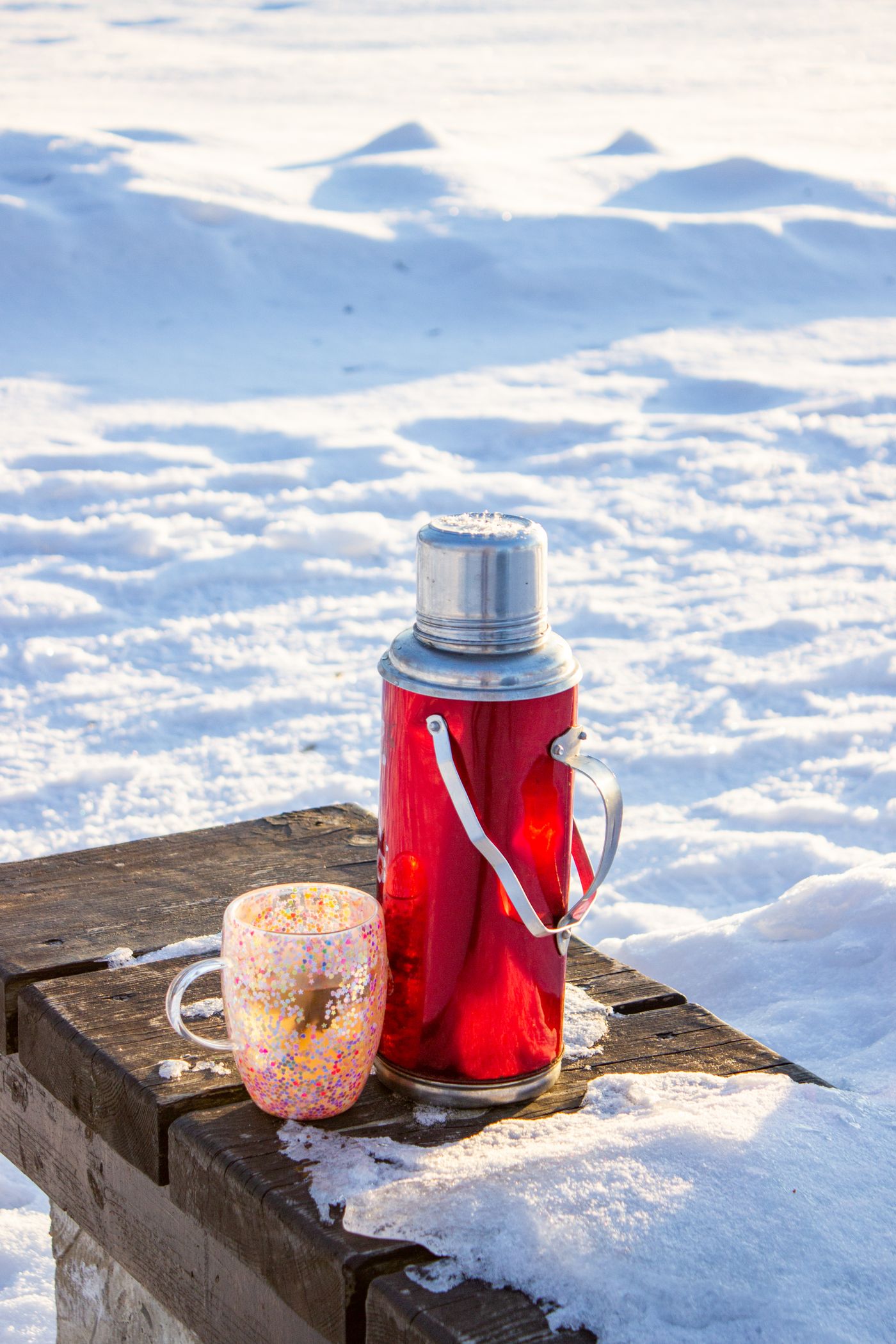
The coffee that tastes right in the kitchen can be lukewarm by the time you reach your first stop. Before buying another oversized mug, think about when you actually want to drink it. Sipping during the drive and saving a cup for a break several hours later are two different jobs.
This is a practical planning guide, not a hands-on bottle comparison. Start with the bottle you own, then use the checks below to decide whether a different lid, capacity, or shape would make your morning easier.
1. Match the container to the morning
For coffee you plan to save until a break, look for a vacuum-insulated bottle with a fully closing stopper that the manufacturer rates for hot drinks. For frequent sipping, a travel mug may be more convenient. Before putting either inside a pack, check the exact lid’s leakproof claim: a splash-resistant drinking lid is not the same thing as a sealed transport lid.
| Your plan | What to prioritize |
|---|---|
| Drink on the way to the ramp | A hot-drink mug that fits the cup holder and closes securely |
| Save coffee for a midmorning break | A sealed vacuum bottle and a small cup |
| Share with a hunting or fishing partner | Enough usable capacity for both servings, plus two cups |
Check the fit with gloves on. A lid that is easy to open over a kitchen counter may be awkward when your hands are cold. Set the bottle down securely before pouring.
2. Preheat before you fill
Stanley recommends warming its vacuum drinkware with warm tap water for five minutes, emptying it, and promptly filling and closing it. Follow your own bottle’s instructions; boiling water is not a universal requirement.
Make this part of the departure routine: prepare the bottle while you finish packing, then fill it shortly before leaving. Keep the stopper and cup together so you are not searching for a lid while the coffee sits open.
3. Pack the amount you will actually drink
Measure your usual serving once instead of guessing from the size of your kitchen mug. Two 12-ounce servings need 24 ounces of usable drink capacity. Leave whatever clearance the bottle instructions require below the stopper; nominal capacity is not a reason to fill past the marked limit.
A large bottle adds bulk even when you only bring one cup. A small one becomes frustrating when you want to share. Choose for your ordinary outing and the space in your bag, not the biggest heat-retention number on the label. Manufacturer hour ratings are not a promise of how hot your particular drink will feel after repeated opening outdoors.
4. Pour one serving, then close the bottle
A separate cup lets you leave the reserve coffee sealed while you drink. Pour only what you plan to finish, close the stopper, and put the bottle back in its spot. Coffee can still be too hot to drink even when the outside of an insulated container feels cool; take care with the first sip.
Keep the bottle secure and accessible, away from electronics and loose tackle. In a boat, choose a spot where it cannot roll underfoot or interfere with controls. Our duck-hunting packing guide covers keeping frequently used items easy to find.
5. Build a small coffee kit
As an Amazon Associate I earn from qualifying purchases.
You do not need a collection of drinkware for one morning outside. These are the three useful pieces to compare:
A sealed vacuum bottle
Check hot-drink compatibility, usable capacity, stopper design, packed dimensions, and whether replacement seals are available. A removable pouring cup is useful if you want fewer loose pieces.
A compact insulated cup
Choose something stable on the surfaces you use, with a comfortable grip and a lid that is easy to clean. If you already have a suitable cup, keep using it. Check whether the lid is intended only for sipping or also for sealed transport.
A bottle brush that reaches the bottom
Compare brush length with the bottle’s interior depth and make sure its head fits through the opening. A simple brush that you will use after each trip is more useful than extra accessories that stay in a drawer.
6. Clean it when you get home
Stanley advises warm water and soap for routine hand washing and checking the product for dishwasher compatibility. Follow the cleaning instructions for your particular bottle and lid, including any removable seals. Let the parts dry before storing them.
If you add milk, do not assume a heat-retention claim makes it suitable for all-day storage. Stanley advises against keeping dairy in its vacuum bottles for extended periods. Carrying black coffee and adding a separately stored portion when serving is another option; follow the creamer’s storage directions. For packing chilled supplies, see our day-trip cooler guide.
Before the next cold morning
- Check the stopper, seal, and cup before packing.
- Preheat according to the bottle’s instructions.
- Fill for the servings you expect, leaving the required clearance.
- Secure the bottle where you can retrieve it easily.
- Pour a serving, close the reserve, and clean everything after the trip.
Try that routine before replacing your drinkware. It gives you a useful baseline for deciding what your next bottle actually needs to do better.
Research and sources
Reviewed October 22, 2026. Packing suggestions are editorial guidance; this article makes no measured heat-retention or product-testing claims.