Fishing / Winter storage
How to store fishing rods, reels, and tackle for winter
Clean it, dry it, and give every piece a place—so the first spring trip starts with fishing instead of sorting tangled gear.
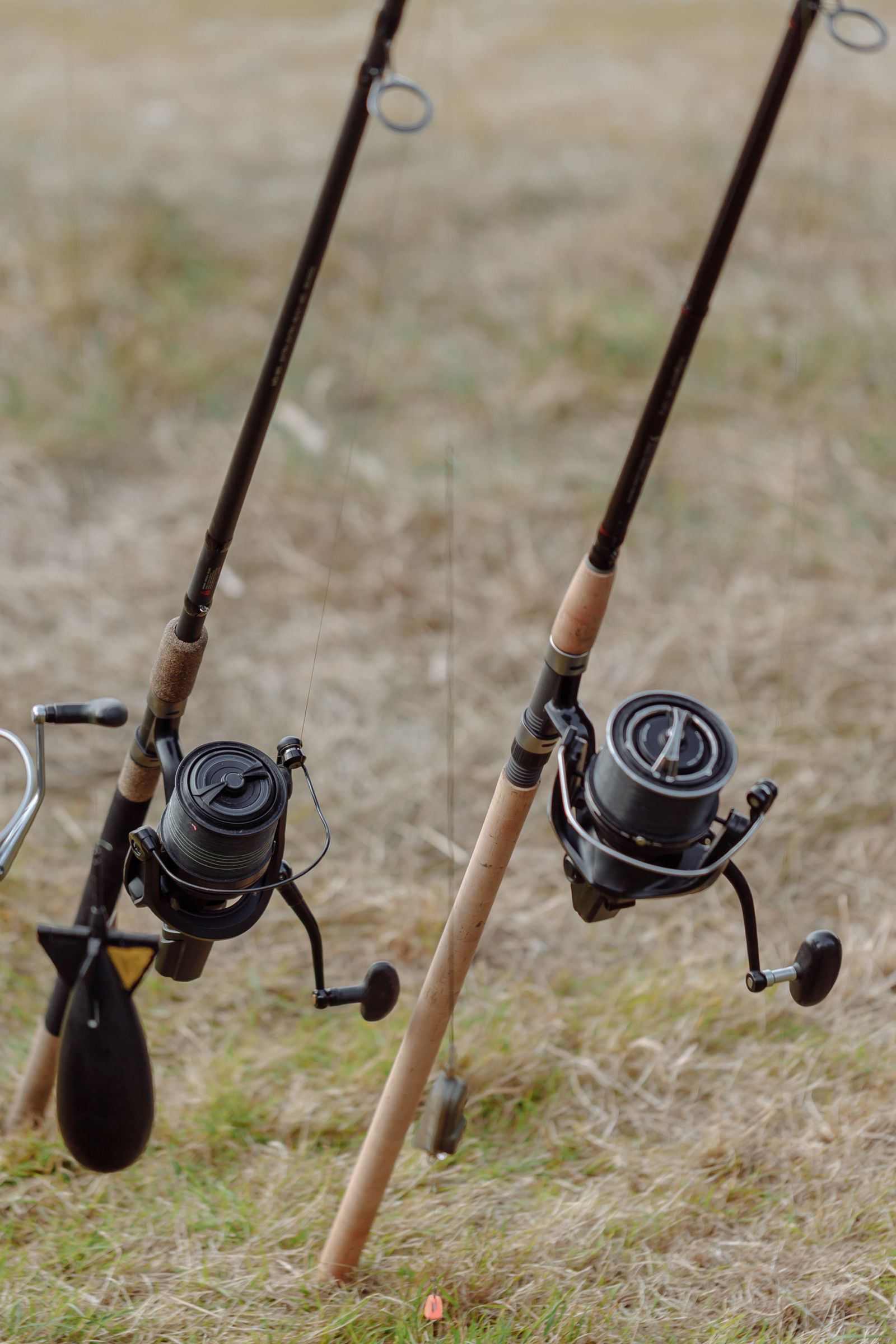
The last fishing trip often ends with rods in the corner and a tackle bag still in the boat. Before that becomes the winter arrangement, give the kit one deliberate reset. You do not need a wall of new organizers: start by separating what is ready to store from what needs cleaning, repair, or replacement.
1. Empty the boat and tackle bag
Bring portable fishing gear into a clean work area. Open the bag’s pockets, remove forgotten bait and trash, and lay out the boxes. Keep hooks contained and away from children and pets while you work.
Make three groups: ready for storage, needs attention, and worn out. A short repair list keeps a rough reel or cracked box from disappearing back into the pile. If the boat is also going away for the season, use our outdoor boat-storage guide for the separate cover and trailer work.
2. Clean reels gently and follow the model’s instructions
Remove surface dirt with the cleaning method specified by your reel manufacturer. Shimano’s guidance emphasizes a freshwater-dampened cloth and drying rather than blasting salt and grit into the mechanism with a hose. Do not pressure-wash or submerge a reel as a cleaning shortcut.
Lubrication is model-specific. Use the recommended product at the specified points; adding oil everywhere can create problems rather than solve them. Do not open sealed assemblies or remove components unless the manual calls for it and you know the procedure.
If a reel feels gritty, binds, or has an inconsistent drag, arrange service before storing it. Let everything dry fully before fitting a clean reel cover. Follow the manual’s storage setting for the drag—Shimano recommends loosening it on the reels covered in its cited guides. Reset and test the drag before the next trip.
3. Store rods with support and clearance
Wipe down the rod and inspect guides, wraps, handles, and joints. Look for damage before slipping it into a sleeve. Store it where doors, car trunks, shelves, and moving tools cannot catch the tip.
A rack should hold the rod securely without forcing it into a bend or resting its weight on the line guides. Check the rack’s intended orientation and mounting instructions. Leave enough room for handles and reels, rather than assuming every advertised slot will fit your particular combinations.
What to look for in a rod rack
Measure your available height and the length of your longest assembled rod first. For a horizontal rack, check the support spacing; for a vertical rack, check both the butt support and upper grip. Match the mounting hardware to the wall material.
Choose accessible storage you will actually use. A smaller rack that fits your everyday rods is more useful than a crowded one that makes removal awkward.
Rod-rack option: Rapala Lock ’n Hold
The Rapala Lock ’n Hold organizes up to six rods or combos, with a base support and upper grips. Check spacing with your reels attached and follow the mounting instructions. This is a researched storage option, not a Timberwake field-tested review.
As an Amazon Associate I earn from qualifying purchases.
4. Reset the tackle boxes before closing them
Empty one box at a time so small parts stay manageable. Clean the box according to its care instructions and leave it open until the compartments, hinges, and any gasket are dry. Dry the tackle separately before returning it.
Inspect hooks and split rings for corrosion, damage, or dull points. Set questionable pieces aside for replacement instead of mixing them back into the ready-to-fish group. Dispose of damaged hooks in a puncture-resistant container.
What to look for in tackle storage
Choose compartments that fit your actual lures without crowding the hooks. Check the closed box dimensions against your bag or shelf, not just the size printed in its name. Removable dividers can help, provided small hooks cannot migrate underneath them.
A gasketed box may help keep outside water out, but only pack it once everything inside is dry. Corrosion-control features are an extra precaution, not a substitute for cleaning and drying. Keep labels visible so you can find the right box without opening them all.
Tackle-box option: Plano StowAway 3600, 4-pack
This pack includes four 3600-size boxes with Plano’s corrosion-preventive Rustricor, transparent DuraView lids, and a single-latch design. It offers separate boxes for different tackle groups; check the actual dimensions against your bag before ordering.
Pack only dry gear. Corrosion prevention is not a guarantee against rust, and this listing should not be treated as a waterproof-box rating. This is a researched option, not a field-tested review.
As an Amazon Associate I earn from qualifying purchases.
View the Plano 3600 4-pack on Amazon
For a practical layout when the season returns, see how to organize a tackle box for a day of fishing.
5. Keep soft baits and line organized
Keep soft baits in their labeled original packaging unless their manufacturer recommends something else. Follow any separation and temperature instructions; different materials should not be assumed compatible in the same compartment. Keeping the original bag also preserves the bait’s name, size, and color for reordering.
Label spare line spools and note what is on each reel. Check line and leaders again before spring fishing; storing them neatly does not repair abrasion or damage from use. Keep the gear away from direct sunlight and sources of heat, in a dry location suited to the manufacturer’s storage requirements.
A simple end-of-season checklist
| Gear | Ready to store when… |
|---|---|
| Rods | Clean, inspected, supported, and clear of doors or falling objects |
| Reels | Dry, cared for according to the manual, with service needs recorded |
| Hard tackle | Dry and sorted, with damaged hooks separated |
| Soft baits | Labeled and stored according to the packaging instructions |
| Bag and boxes | Empty of trash, clean, and fully dry before closing |
Leave the repair list with your gear. Before the first spring outing, check the rods and reels again, set the drags, inspect the line, and repack for the water you are actually fishing. That is the payoff for a little organization now.
Sources and editorial notes
Reviewed October 19, 2026. This is a practical storage checklist, not a substitute for your equipment’s care manual. No product field-testing is claimed.