Hunting / Waterfowl
What to pack for a morning duck hunt
A practical blind-bag checklist for a cold start, wet gear, and a few hours on the water.
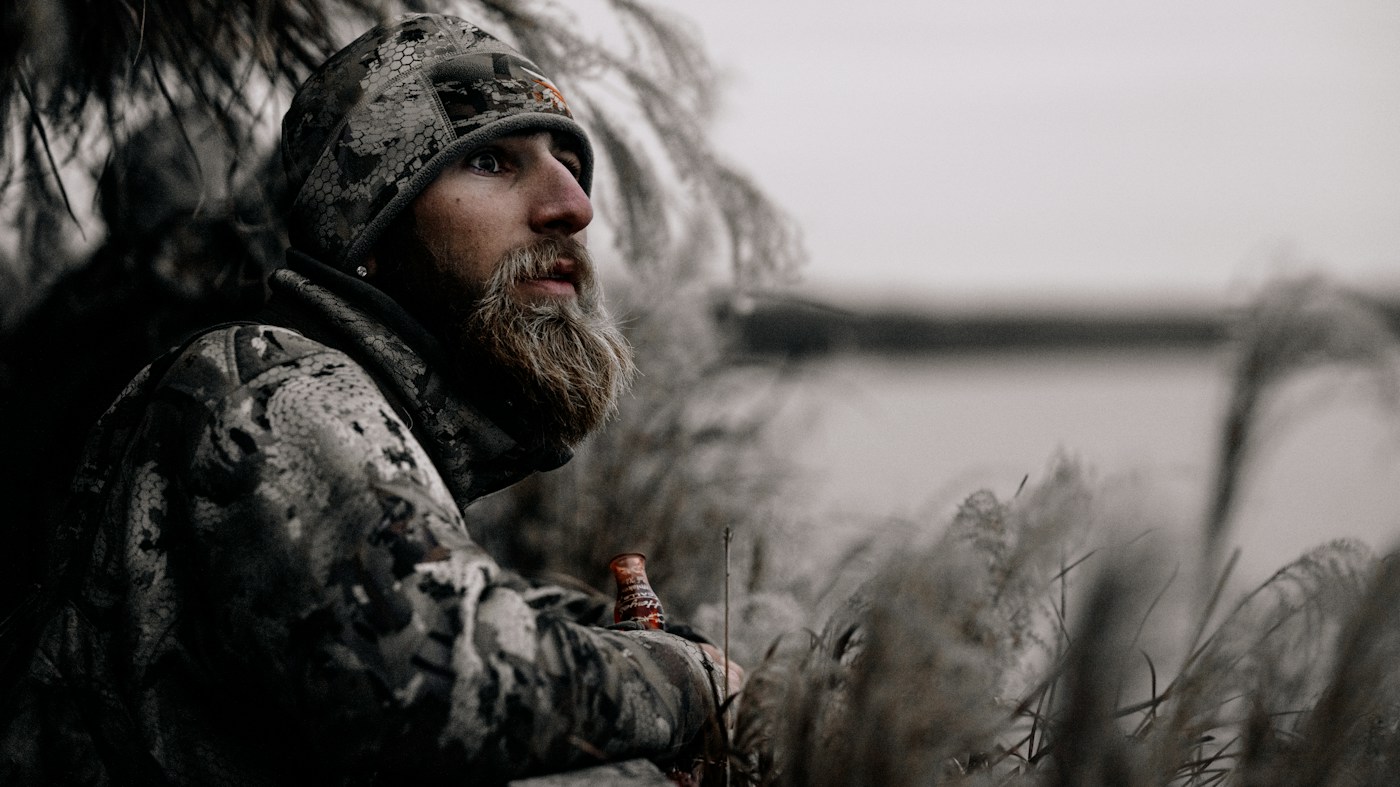
A morning hunt does not need a truckload of accessories. It needs a bag you can find things in before daylight, clothing that suits the conditions, and a plan for getting home when something gets wet. Start with the gear you already own, then fill actual gaps.
The quick morning-hunt checklist
| Group | Pack or check | Where it goes |
|---|---|---|
| Before departure | Required licenses and stamps, access permission, current local regulations, forecast and return plan | Checked the evening before; documents protected from water |
| Easy reach | Headlamp, backup light, phone or navigation, hearing protection, calls, water and snack | Consistent pockets you can find in the dark |
| Keep dry | Spare gloves, socks, insulating layer, small power bank and cable if needed | Separate dry bag or protective pouch |
| Hunt equipment | Suitable hunting equipment, approved nontoxic ammunition, decoys and retrieval plan | Safely transported; bulky gear separate from the blind bag |
| Small essentials | First-aid supplies, personal medication, repair tape, trash bag | Clearly identified compartment |
| If using a boat | Properly fitted life jacket, required boat equipment, navigation lights, fuel and battery checks | Life jacket worn; emergency equipment accessible |
1. Make the first pocket your before-daylight pocket
Choose one place for the headlamp and leave it there between trips. Check the charge or batteries before departure and carry an independent backup light. A spare battery is useful, but it will not fix a lost or broken lamp.
Keep navigation and communication accessible, too. Save the route and relevant maps before losing reception, and tell someone where you plan to go and when to expect you back. Do not bury your phone beneath clothing just because it fits there.
Try opening this pocket while wearing the gloves you plan to use. A zipper that is awkward in the kitchen will not improve when your hands are cold.
As an Amazon Associate I earn from qualifying purchases.
A headlamp option: Coast XPH30R
The linked 1,200-lumen version of the XPH30R has USB-C charging, an adjustable spot-to-flood beam, and a magnetic base for use off the headband. Its 1,200-lumen figure is the Turbo setting, not its continuous output on every mode. The IP54 rating covers splashes; this is not a submersible light. Charge it before departure and keep that independent backup light in your kit.
2. Separate dry spares from working gear
A blind bag can organize equipment without keeping it dry during immersion. Check the manufacturer’s actual water-protection rating rather than assuming a coated fabric or covered zipper makes the whole bag waterproof.
Keep spare socks, gloves, and an insulating layer together in a separate dry bag, closed according to its instructions. Leave enough room to close it properly. Put damp decoy gloves somewhere else; otherwise one wet item can spoil the reason you packed a dry change.
For a walk-in hunt, carry the dry items you may need before reaching the vehicle. Extra clothing left in the truck is useful afterward, but it is not available at the blind. Match the amount you carry to the distance and the consequences of getting wet.
For dry spares: Sea to Summit Big River 13L
The 13-liter Big River in Jet Black is a durable roll-top option for organizing spare clothing. Check your actual packed layers against its capacity and leave room to close the top properly. Sea to Summit advises avoiding submersion because water can enter through the roll-top closure. Keep wet gloves outside this bag. Our guide to keeping hunting gear dry explains how to separate clothing, electronics, and wet return gear.
3. Dress for the walk and the wait
Think about two different parts of the morning: moving with gear and sitting still. Pack layers you can adjust rather than choosing one heavy outfit for both. Allow space for a removed layer so it does not end up loose in the bottom of the boat.
Check boots or waders before the trip and follow their manufacturer’s fit and use guidance. Keep a dry change of clothing available. Clothing cannot make unsafe water, ice, or weather safe; change the plan when the conditions exceed your equipment or experience.
Spare gloves are a simple packing priority. A pair used for handling wet equipment can stay separate from the pair you want for the rest of the morning.
4. Keep the blind bag small enough to use
Ducks Unlimited’s blind-bag checklist includes practical items such as light, snacks, gloves, hearing protection, and small repair supplies. Use it as a cross-check, then choose what fits your outing instead of copying every accessory into your bag.
Our suggested layout is one pocket for light and navigation, one for small frequently used items, and the main compartment for food and protected spares. Give first-aid supplies a recognizable location. Pack water even when you are bringing a hot drink.
At home, lift the loaded bag and open each compartment. If finding one item requires unloading five others, simplify the layout. Keep a small trash bag handy for wrappers and spent shells.
A compact option: Rig’Em Right Lock and Load
The Lock and Load is the smallest blind bag in Rig’Em Right’s range. The linked Mossy Oak Original Shadowgrass model includes molded ammunition compartments, a sunglasses case, and a drink holder. It fits the idea of keeping small morning essentials organized; check its dimensions before expecting it to hold bulky spare layers. Keep dry clothing separately protected rather than treating a blind bag as a dry bag.
5. Add boat equipment separately
A blind bag is not a boat-safety kit. The Coast Guard recommends wearing a properly fitted, approved life jacket while on the water. Choose one appropriate for your activity and follow its label; do not leave it underneath decoys.
Before departure, check the boat’s required equipment, working navigation lights, fuel supply, and battery condition. Keep emergency gear accessible and tell someone your route and return time. Leave room to move safely rather than filling every open space with hunting gear.
For the equipment you take out hunting, our duck-decoy guide compares different options and their trade-offs. Sort that equipment separately from your personal bag so the things you need to wear or reach stay available.
Three useful upgrades—only if you need them
- A headlamp: look for usable controls with gloves, an appropriate water-resistance rating, and a power source you can maintain. Test it before relying on it.
- A dry bag: choose a size around your spare clothing, allowing room for the closure. Check whether it is intended for splashes or immersion.
- A compact blind bag: prioritize access, a comfortable loaded carry, and a layout that fits your kit. More pockets are only useful if you can remember what is in them.
These product options are based on published specifications and their fit with this checklist. We have not field-tested them for this article. A new bag is not necessary if your existing one does the job.
The evening-before check
Check the forecast and official rules for the exact area: season dates, legal shooting hours, limits, access restrictions, and required licenses, stamps, or registrations. U.S. waterfowl hunting requires approved nontoxic shot; hunters age 16 and older generally need a current Federal Duck Stamp as well as applicable state requirements. Confirm the details with the responsible wildlife agency.
Then charge the light, fill the water bottle, pack dry spares, and set out the bag. After the hunt, empty wet pockets and dry equipment before storing it. A short reset makes the next morning easier.
Sources and editorial notes
Reviewed October 12, 2026. This is an editorial packing guide, not a substitute for hunter education, local regulations, or boating requirements.
- Coast: XPH30R 1,200-lumen specifications
- Sea to Summit: Big River specifications and care guidance
- Rig’Em Right: blind-bag range
- Ducks Unlimited: My Blind Bag Checklist
- U.S. Coast Guard: wearing your life jacket
- U.S. Fish & Wildlife Service: Federal Duck Stamp
- U.S. Fish & Wildlife Service: nontoxic shot requirements