Fishing / Tackle storage
How to organize a tackle box for a day of fishing
Pack for the water you’re fishing. Keep the tools you reach for most easy to find.
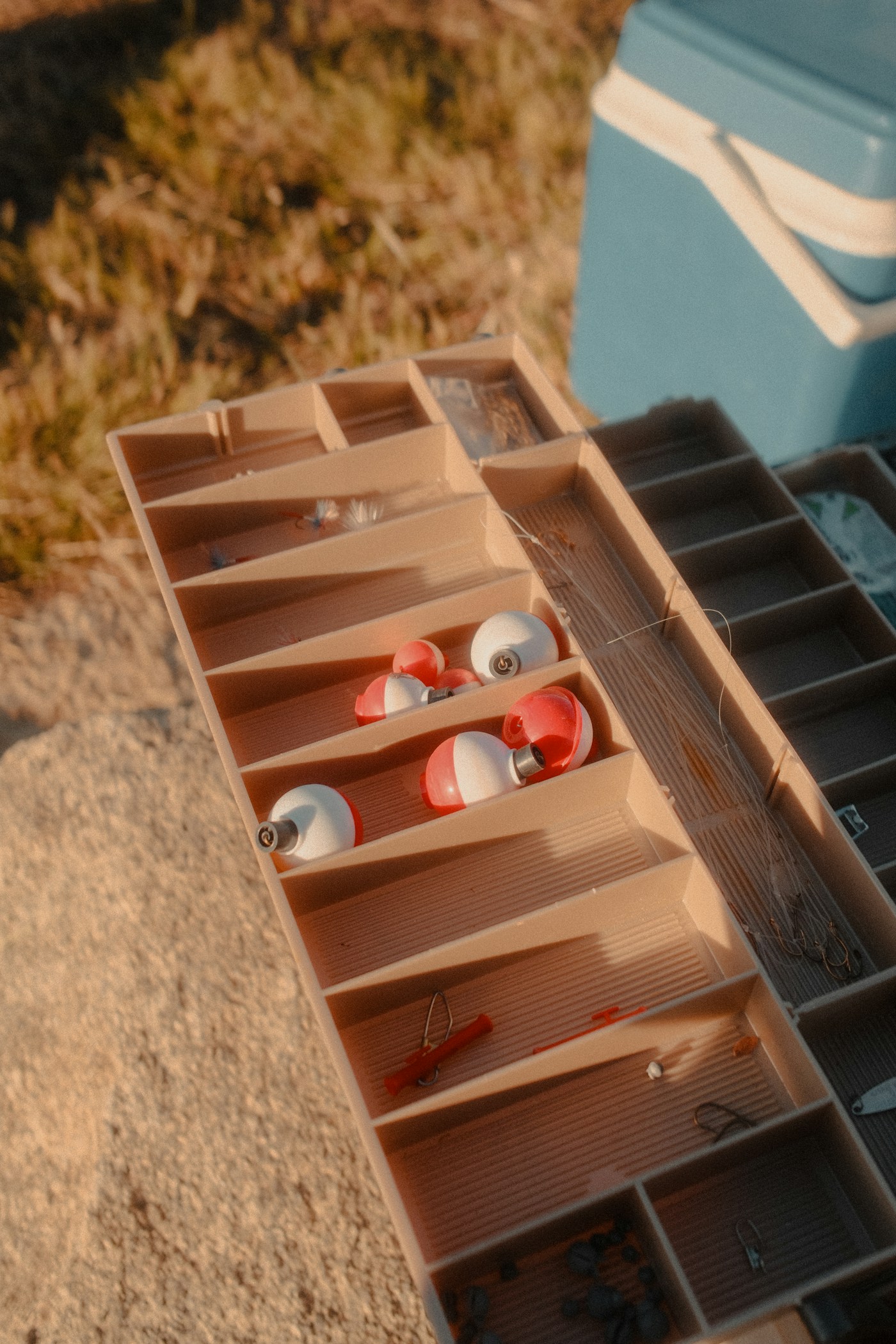
A useful tackle box lets you change a rig without emptying everything onto the bank. The goal is to carry what you need for one outing, with a few replacements for the pieces you are most likely to lose. Start with the box you own before shopping for a bigger one.
As an Amazon Associate I earn from qualifying purchases.
1. Decide what this box needs to do
Write down your target fish, where you will fish, and whether you will mostly use bait or artificial lures. A short bank trip for panfish calls for a different load than casting for bass from a boat. Pack for that plan rather than every possible fishing trip.
Use this as an editorial sorting exercise: choose a primary presentation and one alternative. Put the remaining tackle in a home-storage box. If the day’s plan changes, swap a tray before leaving rather than carrying the whole collection.
For a walk along the bank, check how the loaded bag feels with your water bottle and clothing. In a boat, check whether the box opens in its storage spot without blocking access to other equipment.
2. Sort tackle by the way you use it
Give hooks, weights, and swivels separate compartments so you can see what is running low. Label small containers with their sizes. Keep packaging when it contains information you will need later, including lure weight and the maker’s storage instructions.
| Area | What goes there | Why it helps |
|---|---|---|
| Day tray | The lures or rigs you plan to use first | Less searching between casts |
| Small-parts tray | Separated hooks, weights, and other rig components | Easy to see and replace missing pieces |
| Tool pocket | Pliers and line cutters, secured safely | Tools stay accessible without digging past hooks |
| Return container | Used tackle awaiting cleaning and drying | Wet pieces stay apart from stored gear |
This is a packing layout, not a rule that you need four new containers. Existing compartments and a small spare tray may cover it.
A box to consider: Plano StowAway 3600 Waterproof
If you need a separate day tray, this Plano box is one option to compare with your bag’s available space. The linked model is the StowAway 3600 Waterproof with a single latch and a transparent lid. Check its dimensions and compartment layout against your longest lures before buying. Even with a waterproof box, dry used tackle before closing it up.
3. Choose a small, relevant lure selection
Indiana DNR’s equipment guide describes several common lure families: spinners have rotating blades, spoons wobble on the retrieve, and jigs use weighted hooks. Those differences are more useful when planning a box than collecting many colors of the same presentation.
Check the weight range printed on your rod before packing lures. Choose a few that fit the equipment and water you intend to fish. For local choices, ask a tackle shop what anglers use for your target species on that particular water. Carry a replacement for a favorite rather than assuming a single lure will survive every snag.
Do not empty unfamiliar soft baits into one shared compartment. Follow each manufacturer’s storage instructions; keeping them in their original labeled packets makes identification and storage requirements easier to manage.
4. Make the tools easier to reach than the spare lures
Pliers and line cutters belong where you can retrieve them promptly. Iowa DNR includes both in its tackle-box checklist, along with replacement tackle, lighting, and basic first-aid supplies. Inspect the tools before leaving rather than discovering a seized hinge at the water.
A tool-kit option: KastKing SteelStream 6pc
The SteelStream six-piece kit bundles pliers with a lanyard, a fillet knife, braid scissors, a floating fish lip gripper, and a tool retractor. It is worth considering if you are starting a kit and need several of those pieces. If you already have dependable pliers and cutters, buying a whole kit may duplicate gear you own. You do not need to carry every piece on every trip.
View the SteelStream kit on Amazon
Use a covered or dedicated pocket for sharp tools. Keep loose hooks out of fabric pockets, and close the tray before moving to another spot. Put a small container in your kit for clipped line and damaged tackle so they come home with you.
Separate fishing supplies from the rest of your day kit. Water, weather-appropriate clothing, and personal items still need room in the bag even if they do not belong inside a lure tray.
5. Leave space for the trip home
Before packing up, set aside the pieces you used. At home, inspect them for damage and let them dry before returning them to storage. Iowa DNR recommends cleaning an empty tackle box, allowing it to dry, and replacing bent or rusty hooks during gear preparation.
Make the reset small enough that you will actually do it: open the used-tackle container, check the day tray, and write down what needs replacing. Do not fill every empty compartment just because it is there. Spare room makes it easier to sort gear after an outing.
Before buying another tackle box
- Measure the largest lure or packet you need to store.
- Check divider fit: small parts should not easily move between sections.
- Try the latches and handle with the box loaded.
- Check the actual water-resistance claim; a lid alone does not make a box waterproof.
- Choose a size that fits your bag or boat compartment with room to open it.
No specific box is required for this method. These product options are based on listing details and their fit with this packing approach; we have not field-tested either product for this article.
A quick check before you leave
Can you find your cutters, the first lure you want, and the spare parts for that rig without unpacking the box? If so, the layout is doing its job. Check the official rules for your destination before choosing bait or hooks, and bring the required fishing license.
Taking the boat? Pair this packing plan with our day-trip cooler size guide to leave room for lunch and drinks.
Research and sources
Reviewed October 12, 2026. The compartment system is Timberwake’s suggested organization method. Equipment and maintenance references:
Putting gear away for the season? Follow our winter fishing-gear storage checklist.