What to Wear Deer Hunting in 10–30°F: How to Layer for the Hike and the Sit
Two hunts at 20°F call for different layers. See what to wear on the climb, what to carry for a long glassing sit, and where to keep your headlamp.
By Dexton Gerber · November 3, 2026
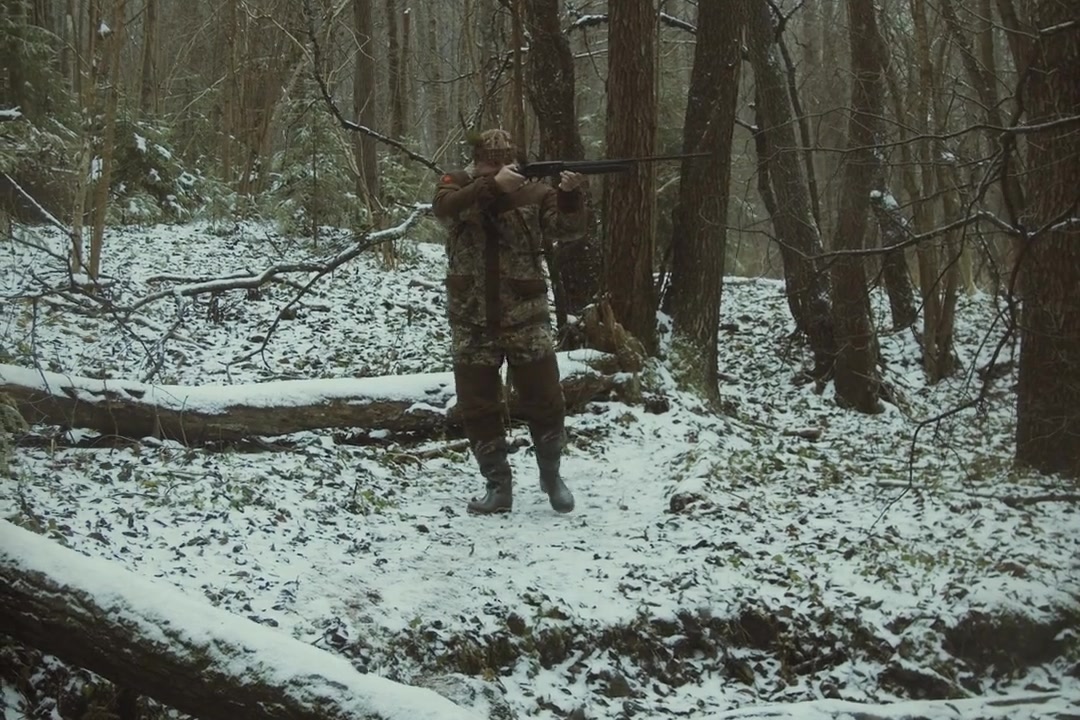
It’s 20°F at the truck. One hunter spends the next two hours climbing through timber. Another hikes a mile to a ridge, sets up behind binoculars, and spends the rest of the morning picking apart the opposite hillside. Same forecast, different clothing needs.
For a western deer day hunt, start with a lightweight base layer, pants you can climb in, and an insulated jacket you can pull on when you stop. The biggest decision is often what to carry instead of wear: the jacket that feels right while you’re glassing can leave your shirt damp on the climb.
Two hunts at 20°F
| Layer | Mostly hiking through timber | Short hike, then two hours glassing |
|---|---|---|
| Upper body | Light merino or synthetic shirt. Add fleece if needed; vent or remove it as you warm up. | Similar shirt for the walk. Keep your sitting insulation dry in the pack. |
| Legs | Stretch hunting pants. Decide whether you need long underwear before a steep climb. | Add a base layer if you run cold. Insulated overpants are easy to add at the ridge. |
| Top of pack | Insulated jacket, shell, dry gloves. | Insulated jacket, warm hat, mittens, and a sitting pad. |
| First stop | Add your jacket before settling in. | Find shelter from the wind if the view allows. Put on insulation before setting up optics. |
Pack a headlamp for either hunt
On an all-day hike, a longer route or a pack-out can put you on the trail after dark. On a glassing hunt, even a short walk back from the ridge is a different trip if you stay until last light. Keep your headlamp in an outside pocket where you can find it with gloves on. Check it before you leave the truck and carry a small backup light.
As an Amazon Associate I earn from qualifying purchases.
One option is the COAST XPH30R Rechargeable Headlamp, the same model featured in our deer day-hunt pack checklist.
On the climb: vent before your back gets wet
If the trail kicks uphill and you feel heat building under your pack, open your collar, unzip your fleece, or take a layer off. A breathable hunting pant gives you flexibility if you’ll spend the morning gaining elevation. If your legs run cold or the route is exposed, consider a base layer underneath.
Seal a spare shirt in a bag. If you reach the ridge with a damp shirt, you can change before a long sit. Leave a little room in your pack for the layer you’ll shed first.
On the ridge: jacket first, binoculars second
That first look through binoculars can turn into half an hour. Pull on your insulated jacket while you still feel warm. Put down the sitting pad, cover your hands, then start glassing.
If your legs get cold against the ground, a pad and insulated overpants address that problem more directly than a bigger jacket. If the wind cuts through your fleece, a shell may do more for you than a second fleece. Check at home that it fits over your insulation without squeezing it or restricting your arms.
A sheltered 30°F morning and a windy 10°F ridge aren’t interchangeable. Plan more insulation for the colder sit, choose a sheltered spot if possible, and shorten the sit or head back if you can’t stay warm. These examples are starting points, not temperature ratings.
Three clothing pieces to compare
- First Lite Wick Quarter Zip: A base-layer option for the climb. A zip neck lets you vent without removing your pack. If you already own a comfortable merino or synthetic hiking shirt, start there.
- KUIU Attack Pant: An option for a day spent hiking and glassing. Use the hip vents on the climb. Try the pants over your intended base layer: step onto a high stair, kneel, and sit with your pack belt fastened.
- SITKA Kelvin Lite Down Jacket: Consider it for the glassing stop. Try it over your shirt and fleece. Can you zip it with gloves on and raise your binoculars without pulling the hem up? Don’t count on any single jacket to keep you comfortable through a long, windy sit at 10°F.
The truck check
Put your jacket where you can pull it out without unloading lunch and game bags onto the snow. Keep spare socks and a dry shirt sealed. Before walking away, ask: If I stop on the most exposed part of this route for an hour, what am I putting on that I’m not already wearing?
If cold toes usually end your sit, see how to keep your feet warm while hunting.